Peter Molyneux is a name that commands respect in gaming—creator of Populous, Dungeon Keeper, and Fable. But behind the legend is a trail of broken promises, misjudged ambitions, and real people who lost money, time, and trust. From disillusioned investors to burned-out developers and betrayed fans, the fallout from Molyneux’s failed legacy isn’t just theoretical. It’s financial, emotional, and professional.
This isn’t about one bad game. It’s about a pattern—of overpromising, underdelivering, and leaving players, backers, and team members to absorb the cost.
Let’s meet the ones who paid the price.
The Kickstarter Backers: Funding a Dream That Never Launched
In 2012, Molyneux launched a Kickstarter for Godus, billed as a spiritual successor to Populous. Promised features included god-like interactivity, evolving civilizations, and AI-driven followers with personalities. The campaign raised £526,000—well over its £45,000 goal—fueled by nostalgia and blind faith in Molyneux’s vision.
But what backers received was far from the promised epic.
A Product That Never Materialized Godus launched in Steam Early Access in 2013 with rudimentary mechanics: dragging lines to raise terrain, guiding pixelated tribes with no autonomy. The AI “with souls”? Nonexistent. The promised multiplayer, card-based progression, and world-shaping tools? Left on the cutting room floor.
Backers who paid £40 or more for exclusive content waited years. Some never received digital rewards. Others got access to a prototype so limited it felt like a tech demo.
“I backed it for the vision,” said one backer on Reddit. “I didn’t expect a finished game day one, but five years later, no updates, no communication, and Molyneux himself says it’s ‘not the game I wanted to make’? That stings.”
When 23 Studios, Molyneux’s developer, stopped updates in 2018, Godus became a textbook case of crowdfunding gone wrong—not because of fraud, but because of over-ambition unchecked by realism.
The Developers: Burned Out by Impossible Deadlines
Behind every failed game are developers working nights and weekends to meet impossible expectations. At Lionhead Studios, Molyneux’s habit of public overhyping created internal chaos.
The Fable Series: A Franchise Eroded by Hype
By Fable II (2008), Molyneux was already making grand claims: “Your dog will remember if you kick it.” The dog did remember. But these promises set a dangerous precedent—players expected miracles.
With Fable: The Journey (2012), a Kinect-only game, Lionhead pivoted to a rail shooter with little connection to the franchise’s roots. Critics panned it. Internally, developers were assigned to features that were scrapped weeks before release. One former Lionhead designer recalled:
“We spent three months building a dynamic weather system that affected NPC behavior. Two weeks before milestone review, Peter demoed it to Microsoft execs. They loved it. Two days later, leadership said it was ‘too ambitious’ and cut it. But not before burning out two engineers.”
When Microsoft shut down Lionhead in 2016, citing The Journey’s poor performance and recurring delivery issues, over 150 developers lost their jobs.
Many traced the collapse not to incompetence, but to a culture of over-promising—where vision outpaced execution, and developers paid the price.
The Investors: Chasing the Molyneux Myth
Venture capitalists don’t back games—they back people. And Peter Molyneux, with his BAFTA wins and media charm, was an easy sell.
22cans and the High-Stakes Gamble
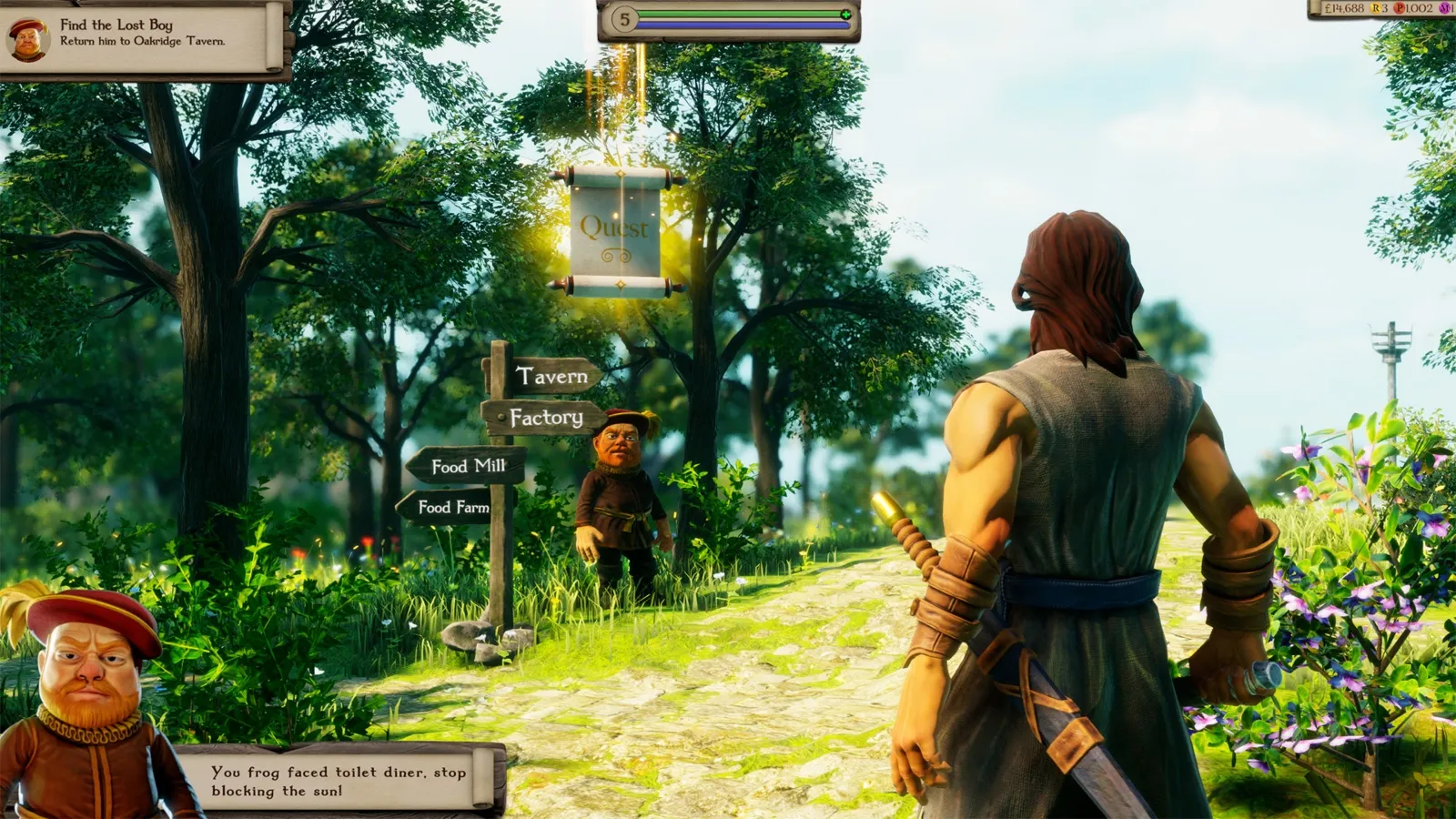
After leaving Lionhead in 2012, Molyneux founded 22cans, pitching it as a lab for experimental games. Godus was its flagship, but investors hoped for more.
In 2014, 22cans raised $11 million in Series A funding, led by You & Mr. Jones, a brand innovation firm. The pitch? A new era of player-driven narratives and emergent gameplay.
But Godus’s failure damaged credibility. Follow-up titles like Curiosity: What’s Inside the Cube?—a viral sensation where players tapped a virtual cube for cash prizes—faded fast. The promised “next-gen social gaming platform” never launched.
By 2017, 22cans pivoted to blockchain experiments. In 2021, it released Legacy, an NFT-based game where players breed AI gods. It flopped.
Investors who believed in Molyneux’s genius were left with a cautionary tale: Vision without delivery is a liability, not an asset.
The Publishers: Microsoft’s Costly Bet on a Visionary
Microsoft’s acquisition of Lionhead Studios in 2006 was meant to strengthen its Xbox exclusives. At the time, Fable was a crown jewel. But over time, the relationship soured.
The Fable Legacy That Became a Liability
Fable III (2010) was rushed to meet an October release window. Developers worked 80-hour weeks. The game shipped with bugs, AI glitches, and a story that critics called “emotionally hollow.” Molyneux, meanwhile, gave interviews claiming it would “change how we think about consequences in games.”
It didn’t.
Internally, Microsoft grew skeptical. Lionhead’s budget ballooned while innovation stalled. The Journey’s failure was the final straw.
Shutting down Lionhead cost Microsoft millions in severance and lost IP potential. But the deeper cost? Reputational damage. Gamers began associating Xbox with broken promises and missed potential—much of it tied to Molyneux’s unchecked hype machine.
Microsoft eventually rebooted Fable with Playground Games (Forza Horizon team), sidelining Molyneux completely. The message was clear: Vision needs discipline.
The Fans: Emotional Investment With No Return For millions of fans, Molyneux wasn’t just a developer—he was a storyteller, a god-game pioneer, a man who spoke directly to players.
The Cult of Personality and Its Collapse
Molyneux cultivated a unique rapport with fans. He’d attend events, post on forums, promise features based on player suggestions. This intimacy bred loyalty.
But as gaps widened between promises and reality, trust eroded.
Take Fable III’s morality system. Molyneux claimed your choices would echo for generations. In practice, moral outcomes were binary and shallow. Players felt misled.
Another example: Black & White’s creature learning system. It was revolutionary at launch—until fans realized the AI was mostly scripted. The illusion was brilliant, but the substance was thin.
Over time, a meme emerged: “Peter Molyneux doesn’t ship games. He ships press releases.” It wasn’t funny because it was exaggerated. It was funny because it was true.
Fans who pre-ordered, collected special editions, or evangelized his games felt personally betrayed. Their emotional investment yielded nothing but nostalgia for what could have been.
The Pattern: Why Overpromising Is a Business Killer
Molyneux’s story isn’t unique—but it’s extreme. His case reveals a dangerous cycle:
- Hype the vision — Talk about AI, emotion, revolution.
- Secure funding or attention — Backers, investors, publishers bite.
- Fail to deliver — Technology, timelines, or talent fall short.
- Blame external factors — “We didn’t have enough time.” “The market changed.”
- Repeat — With a new studio, new game, new promises.
This isn’t just bad PR. It’s a career-long misalignment between ambition and accountability.
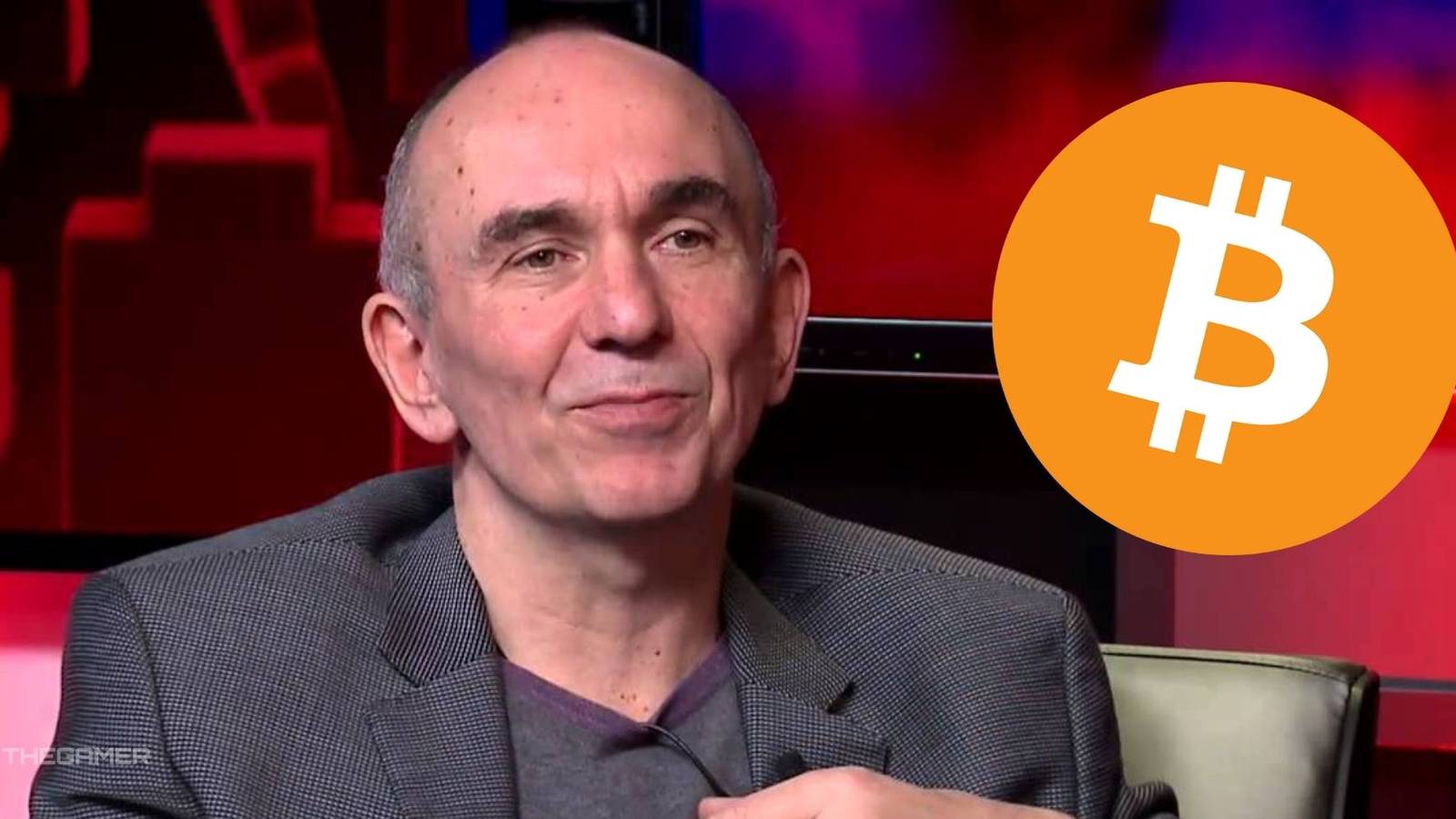
Even Molyneux admitted it. In a 2015 DICE Summit speech, he said: > “I’ve been lying to you. I’ve made promises I knew I couldn’t keep… and I’m sorry.”
But apologies don’t refund Kickstarter pledges. They don’t rehire laid-off developers. They don’t restore trust.
What Can the Industry Learn?
Molyneux’s legacy is a warning—not just for developers, but for anyone in creative tech.
1. Set Expectations Early and Honestly Don’t tease AI-driven civilizations if you’re building a prototype with basic pathfinding. Under-promise, over-deliver.
2. Protect Your Team From Hype Cycles Developers should build, not apologize. When leadership oversells, the team bears the burnout.
3. Treat Backers Like Partners, Not ATMs Kickstarter isn’t a pre-order store. Communicate delays. Show progress. Deliver what you promise.
4. Vision Needs Constraints The best games thrive within limits. Minecraft wasn’t promised as an AI-rich universe—it grew organically.
5. Reputation Is Fragile Molyneux built decades of goodwill in one generation. It took ten years to unravel.
The Aftermath: Where Are They Now?
- Peter Molyneux still works at 22cans, exploring AI and procedural storytelling. He’s quieter now—less press, fewer grand claims.
- 22cans released Trailblazers in 2018 (a racing game with paint mechanics) and dabbled in blockchain. Neither gained traction.
- Former Lionhead devs scattered across the industry—some at Playground Games, others at indie studios or teaching game design.
- Godus backers received partial refunds in 2019 after a class-action push, but most moved on.
- Microsoft is rebuilding Fable with realism in mind—no godlike promises, just a solid RPG in development.
The story isn’t over. But the players who lost money, jobs, or faith? They’re living with the consequences.
Final Word: Vision Without Delivery Is Just Noise
Peter Molyneux dreamed bigger than almost anyone in gaming. That’s admirable. But when dreams become liabilities for others, the cost isn’t just financial—it’s cultural.
The backers, developers, investors, and fans who believed in his vision paid a steep price. Some lost thousands. Others lost careers. All lost trust.
The lesson isn’t that ambition is bad. It’s that ambition without accountability is dangerous. In an industry built on hype, the real winners aren’t the loudest—they’re the ones who ship.
And ship honestly.
Who lost the most money on Peter Molyneux’s failed projects? Kickstarter backers and early investors in 22cans bore the biggest direct financial losses, with over £500K raised for Godus and $11M in venture funding unrecouped.
Did Peter Molyneux scam anyone with Godus? No evidence suggests intentional fraud. The failure stemmed from over-ambition and poor execution, not deceit. However, backers were misled by unrealistic promises.
What happened to Lionhead Studios? Microsoft shut it down in 2016 after years of declining performance and missed expectations, particularly following the commercial failure of Fable: The Journey.
Is Peter Molyneux still making games? Yes. He leads 22cans, working on experimental titles involving AI and procedural generation, though none have achieved major success since Godus.
Why did Godus fail? It failed due to overpromising, technical limitations, shifting design goals, and a lack of clear development roadmap—classic signs of ambition outpacing capability.
Did Microsoft lose money on Lionhead? Yes. The acquisition, development costs, and eventual studio closure cost Microsoft millions. The brand damage to the Fable franchise was also significant.
Can a game creator recover from broken promises? Reputation recovery is possible but difficult. Molyneux remains respected for his early work, but his later influence has waned due to repeated delivery failures.
FAQ
What should you look for in The Players Who Lost Big on Peter Molyneux’s Broken Promises? Focus on relevance, practical value, and how well the solution matches real user intent.
Is The Players Who Lost Big on Peter Molyneux’s Broken Promises suitable for beginners? That depends on the workflow, but a clear step-by-step approach usually makes it easier to start.
How do you compare options around The Players Who Lost Big on Peter Molyneux’s Broken Promises? Compare features, trust signals, limitations, pricing, and ease of implementation.
What mistakes should you avoid? Avoid generic choices, weak validation, and decisions based only on marketing claims.
What is the next best step? Shortlist the most relevant options, validate them quickly, and refine from real-world results.